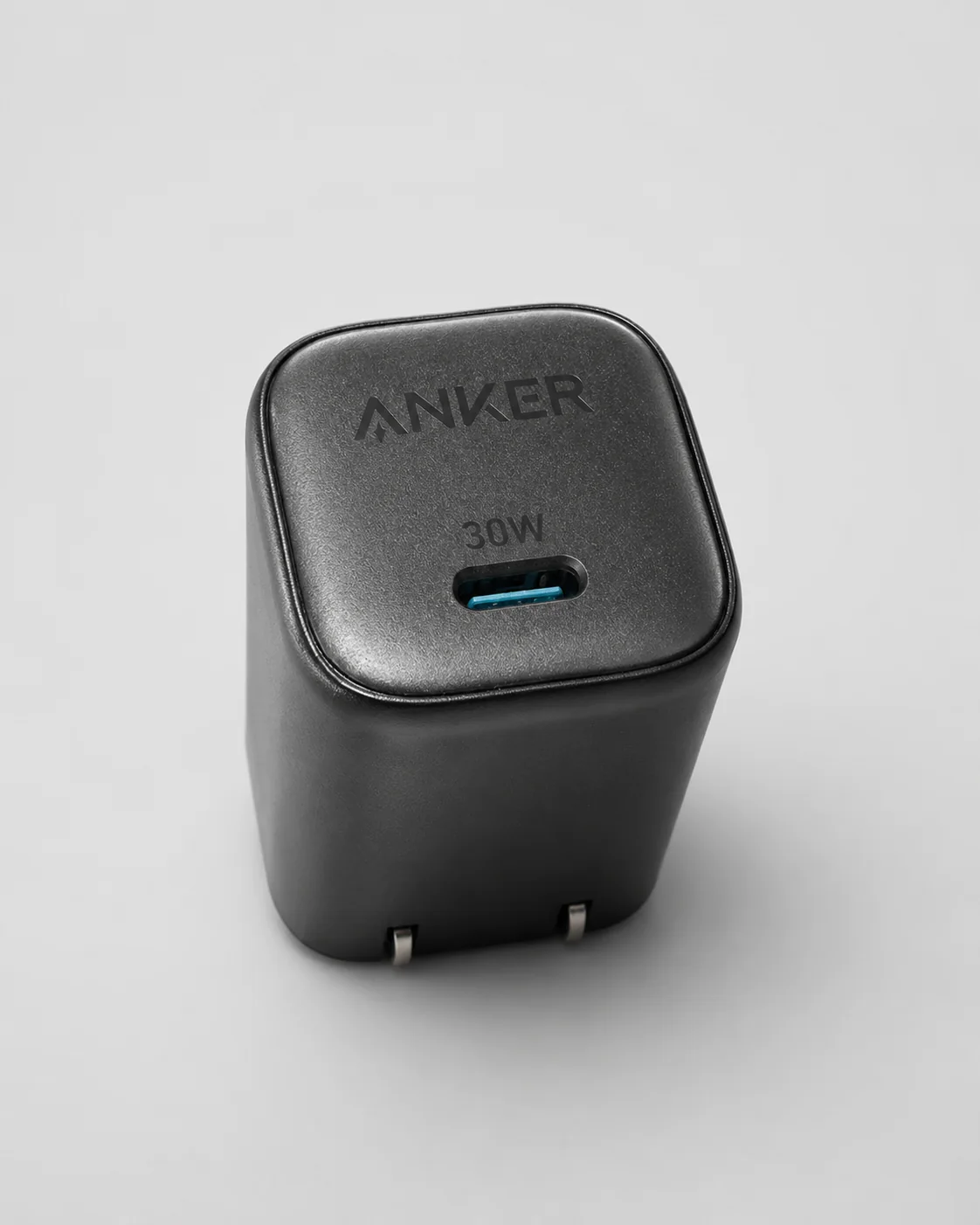
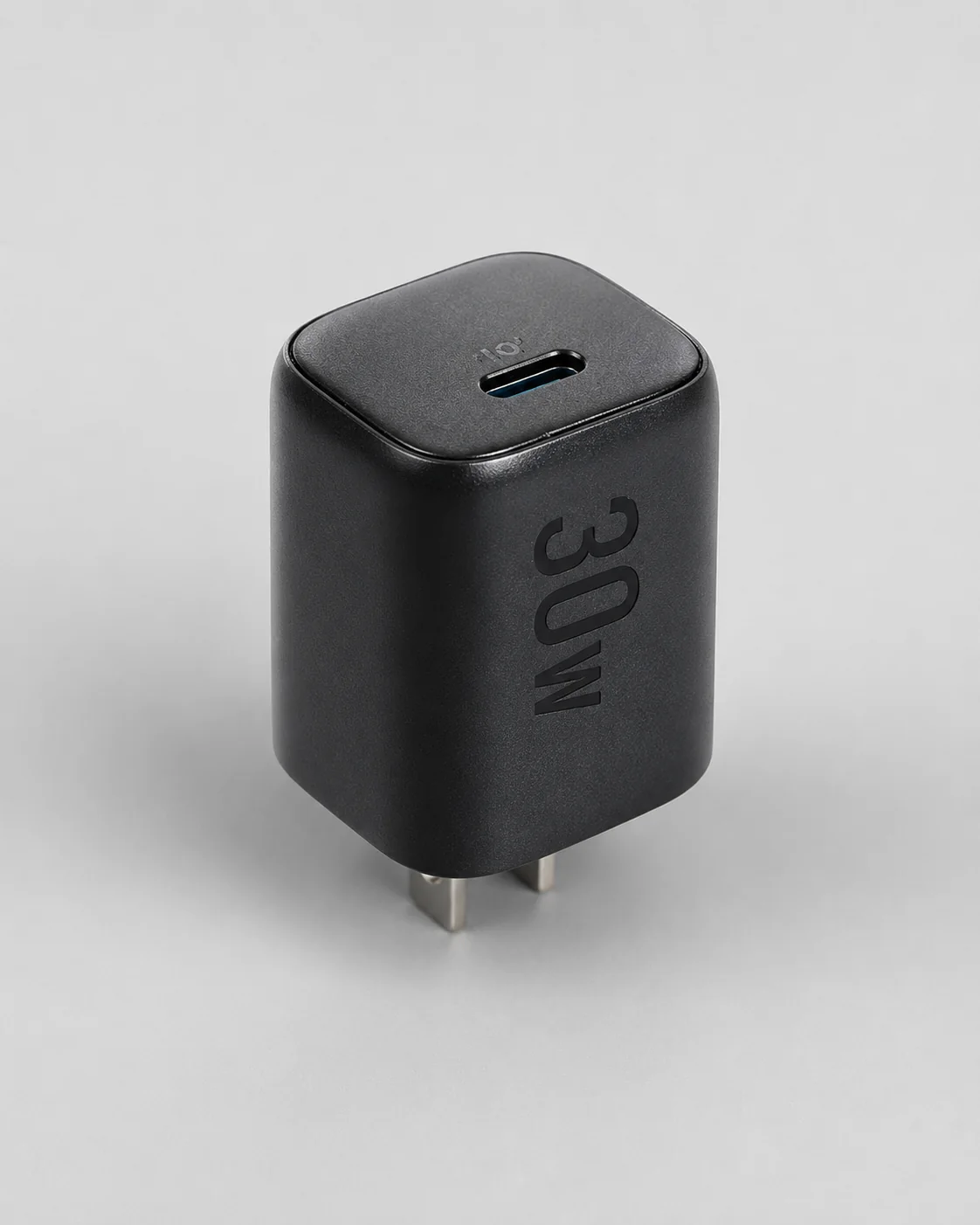
Short answer: this Anker 30W Nano charger is a good little travel and bedside charger if you want one compact USB-C port for overnight charging. My favorite part is the size. My least favorite part is the folding plug mechanism, which is convenient in a bag but not always pleasant to use on every outlet.
How I use it
My use is not complicated: I mostly plug it in at night and let it charge devices while I sleep. That is the right kind of job for this charger. It does not need multiple ports, a display, or a huge output number. It needs to be small, easy to leave by the bed, and reliable enough that I do not think about it.
After more than six months, I have not had a fault or a heat problem worth noting. I also have not treated it as a lab test. I did not measure charging wattage with a USB power meter, so any exact charging-speed claim below is based on Anker's published specs and the output label on my unit.
What the official and physical evidence shows
| Detail | Evidence | Why it matters |
|---|---|---|
| Maximum output | 30W shown on the charger and Anker Nano Charger 30W documentation | Enough for phones, tablets, earbuds, and some lighter USB-C devices, but not a high-power laptop charger |
| Port layout | One USB-C port | Simple, small, and less confusing than multi-port chargers |
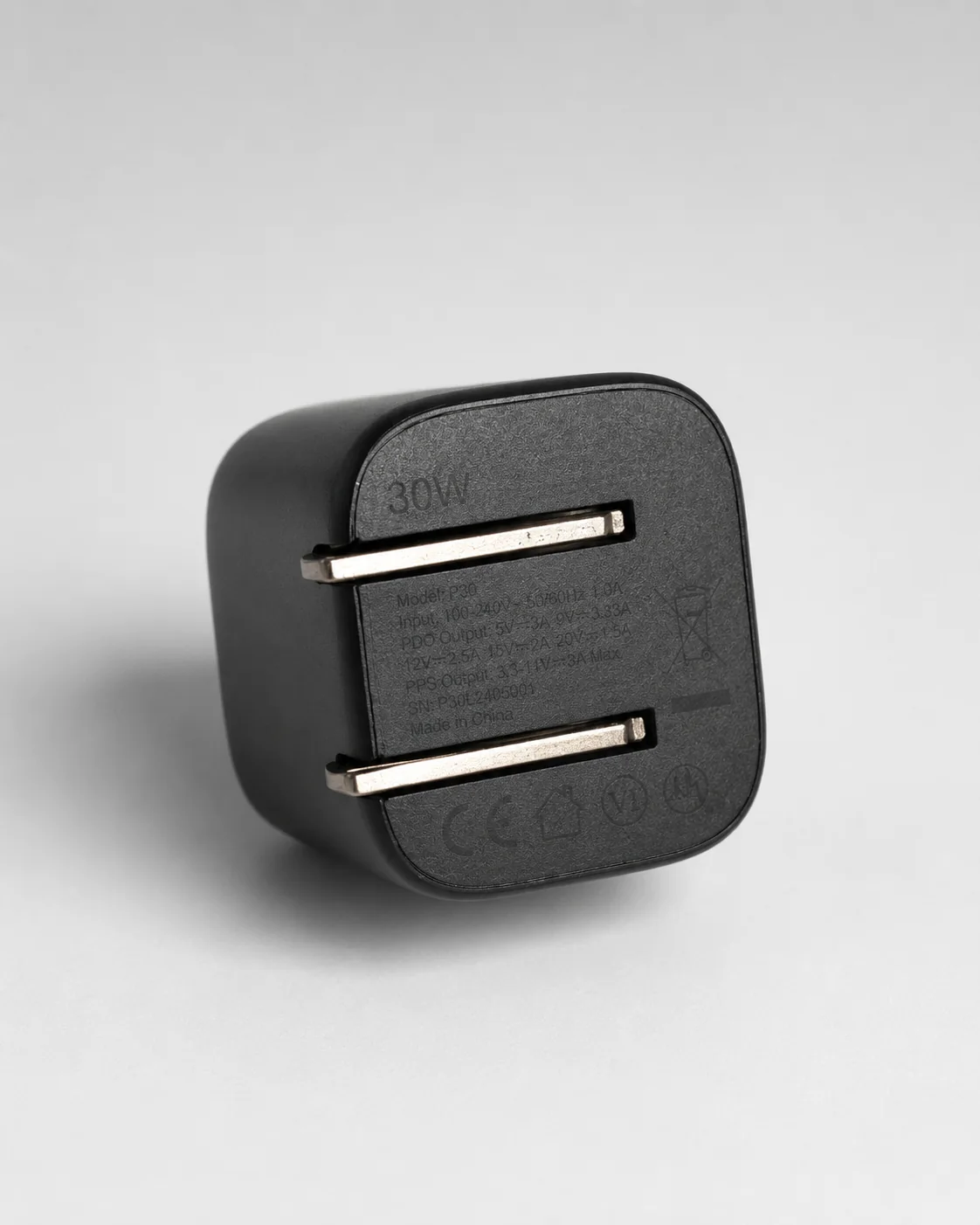
| Plug style | Foldable prongs on my unit | Good for packing, but the hinge and orientation can be annoying on some outlets |
| Charging profile | The physical label lists USB-C PD and PPS-style output ranges | Useful for modern phone charging, but real speed still depends on the device and cable |
| Best role | Bedside or travel charger | Small size is the main advantage |
The best part is the size
The biggest reason to buy this charger is not that 30W sounds exciting. It is that the charger is small enough to disappear into a bag or stay on a crowded power strip. Large multi-port chargers are better for a desk, but they are annoying when you only want one USB-C device charging overnight.
For my own routine, the size matters more than extra ports. I do not need to charge a laptop, phone, tablet, and earbuds from this one cube at the same time. I need one small charger that is easy to grab and easy to leave plugged in.
The folding plug is useful, but not perfect
My main complaint is the folding plug. In a bag, folding prongs are helpful because they do not scrape other gear. On a wall outlet, the experience depends on the outlet orientation and surrounding space. Sometimes the foldable design makes the charger feel slightly less direct than a fixed-prong plug.
This is not a dealbreaker for me, but it is the one part I notice negatively. If you hate moving parts on chargers, or if your outlets are loose, crowded, or awkwardly placed, a fixed-prong charger may feel better.
Who should buy it
- You want a compact single-port USB-C charger for overnight use.
- You travel and prefer foldable prongs in your pouch.
- You mostly charge phones, earbuds, small tablets, or other lower-power devices.
- You care more about convenience than having multiple ports.
Who should skip it
- You need to charge a high-power laptop from one charger.
- You want two or three USB-C ports for a desk setup.
- You dislike foldable plugs or use loose wall outlets.
- You need measured wattage results before deciding.
Final verdict
The Anker 30W Nano charger is the kind of accessory that works because it stays simple. It is small, easy to carry, and has been reliable in my own overnight charging routine for more than six months. I would buy it for a bedside table, travel bag, or phone-first charging setup.
I would not buy it as a main laptop charger or a full desk charging hub. The single port and 30W ceiling are the point, not a hidden superpower. If that matches your use, it is a practical little charger. If you need more power or more ports, step up to a larger model.
Sources and method
First-hand notes come from my own charger and more than six months of everyday use. Official product details were checked against Anker's Nano Charger 30W page on July 7, 2026. I did not perform wattage measurement or thermal testing.